Objective: Botulism is a rare but potentially life-threatening neuroparalytic disease. In recent years, the increasing use of botulinum toxin for cosmetic and therapeutic purposes has led to a rise in iatrogenic cases. This study aimed to evaluate the clinical characteristics, diagnostic process, management strategies, and outcomes of patients diagnosed with botulism in the emergency department.
Material and Methods: This retrospective, observational, single-center study included adult patients diagnosed with botulism in the emergency department of a tertiary-care referral hospital between January 1, 2022, and January 1, 2026. The diagnosis was established on clinical grounds based on compatible neurological findings together with a documented history of botulinum toxin exposure and was confirmed by neurological consultation in all patients. Demographic characteristics, exposure history, clinical findings, laboratory parameters, treatment approaches, and outcomes were analyzed.
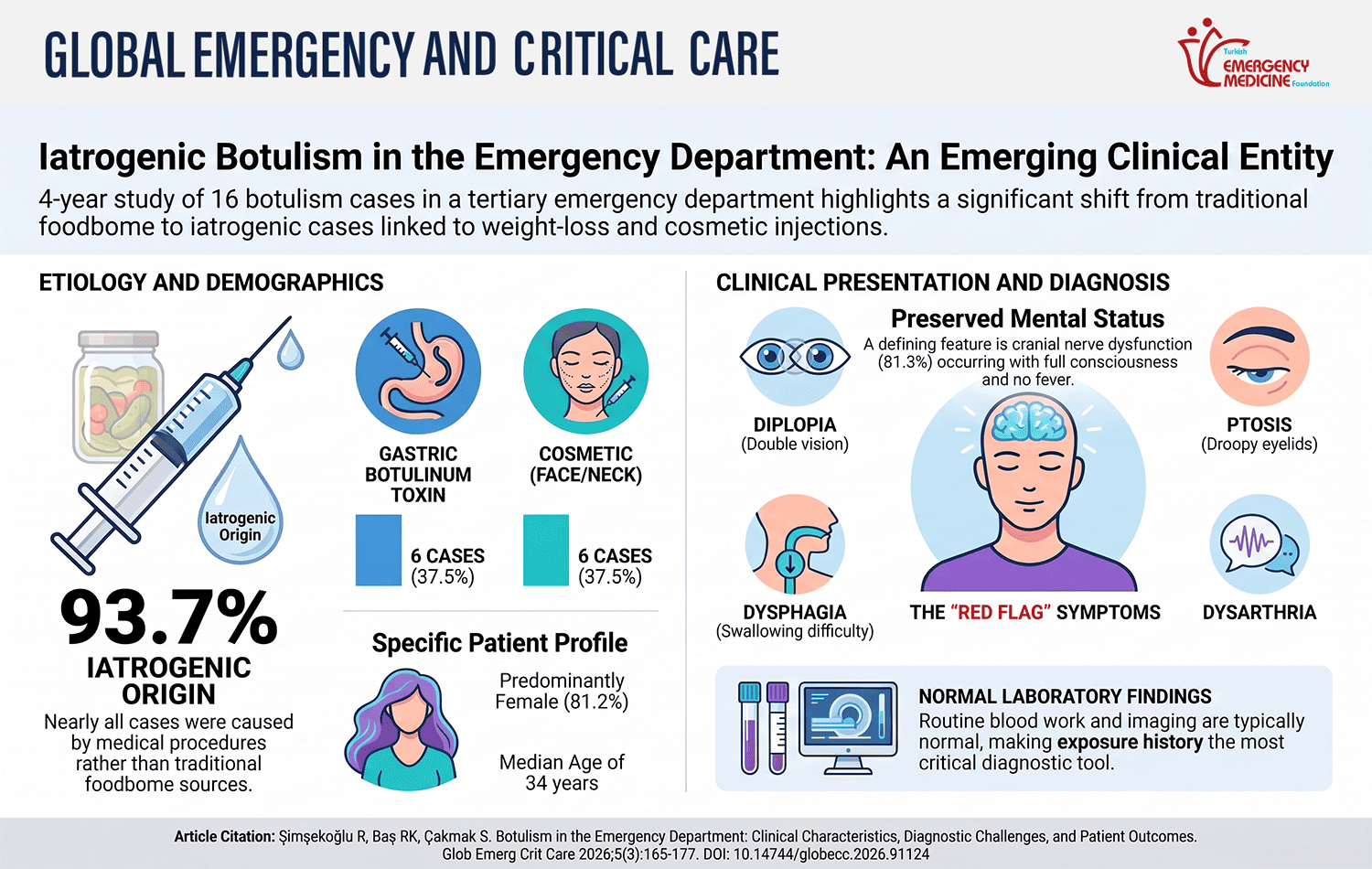
Results: A total of 16 patients were included, with a median age of 34 years (IQR: 32–44), and 81.2% were female. The median time from symptom onset to hospital admission was 7 days (IQR: 5–8). The majority of cases (93.7%) were associated with iatrogenic botulinum toxin exposure, with intragastric (37.5%) and cosmetic facial or cervical (37.5%) injections being equally frequent sources. The most common presenting features were neurological symptoms without impaired consciousness, particularly cranial nerve involvement such as diplopia, dysphagia, dysarthria, and ptosis (81.3%). Laboratory findings were generally within normal limits. Management consisted of pyridostigmine in seven patients (43.8%), botulinum antitoxin in three (18.8%), and observation with supportive care alone in six (37.5%). All three patients treated with antitoxin had bulbar or respiratory symptoms, and in two of them, treatment had been initiated at the referring institution. No patient required mechanical ventilation, and no mortality was observed. Most patients were discharged with clinical recovery.
Conclusion: Iatrogenic botulism represents an emerging clinical entity in emergency practice. The presence of cranial nerve dysfunction with preserved consciousness should raise suspicion for botulism, particularly in patients with recent botulinum toxin exposure. Early recognition and timely management are essential to prevent disease progression and ensure favorable outcomes. The uniformly favorable outcomes observed here should be interpreted in the context of a cohort that presented late and had predominantly mild disease and do not exclude a clinically relevant risk of respiratory failure in iatrogenic botulism.
Keywords: Botulism, botulinum toxin, emergency department, iatrogenic botulism, neuromuscular junction disease


 , Raif Kaan Baş2